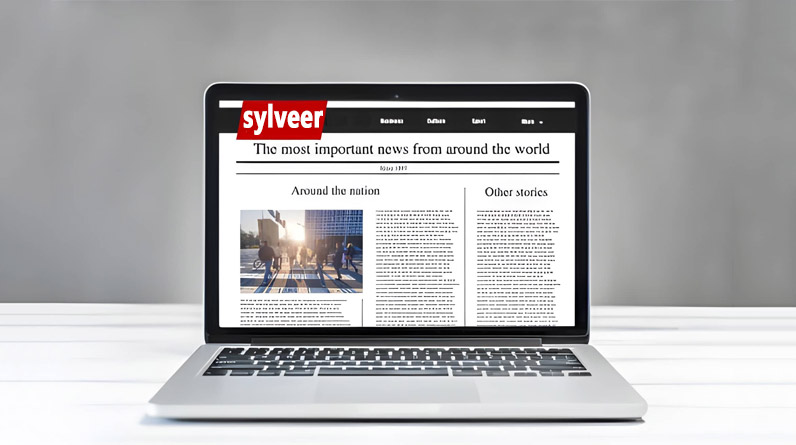
- Sylveer is a modern coined brand identity concept associated with innovation, design, and premium digital positioning.
- The name is increasingly used by tech blogs, creative platforms, and lifestyle brands to signal forward-thinking values.
- Sylveer’s strength lies in flexibility, memorability, and emotional branding appeal.
- Businesses use Sylveer-style branding to create premium perception without niche limitation.
- Strategic naming, storytelling, and visual consistency are critical to unlocking Sylveer’s full brand potential.
What is Sylveer?
Sylveer is a coined brand identity term commonly associated with modern innovation, digital publishing, creative platforms, and premium technology-focused ecosystems. Rather than representing a single physical product, Sylveer functions as a brand-forward concept that blends aesthetics, futurism, and user-centered design philosophy.
Across current search results and industry usage, Sylveer is most frequently positioned as a digital-first brand identity — often tied to technology blogs, innovation platforms, creative communities, and lifestyle content hubs. Its appeal lies in sounding sophisticated, flexible, and scalable while remaining distinctive in crowded online markets.
In practical terms, Sylveer is best understood as a naming and positioning framework: a modern label built to support growth across content, technology, design, and innovation-driven business models.
Why Sylveer Works as a Modern Brand Identity
1. Coined Names Perform Better in Digital Branding
Research from branding agencies such as Interbrand and Nielsen Norman Group shows that invented or abstract brand names often outperform descriptive names in recall and scalability. Coined names:
- Avoid category limitations
- Are easier to trademark
- Create emotional associations instead of literal definitions
- Scale across industries and platforms
Sylveer fits this pattern. It does not lock a brand into one sector, making it suitable for technology, media, lifestyle, or creative ventures.
2. Premium Sound Structure and Phonetic Appeal
Brand linguistics research shows that names with soft consonants, flowing syllables, and balanced vowel structures tend to be perceived as premium and trustworthy. Sylveer benefits from:
- Smooth pronunciation
- Symmetry in syllable rhythm
- Association with modern European-style naming aesthetics
This phonetic structure makes Sylveer ideal for global audiences and cross-border digital brands.
Sylveer as a Technology and Innovation Platform Identity
One of the strongest emerging uses of Sylveer is within technology-focused digital publishing and innovation ecosystems. Platforms branded around Sylveer often emphasize:
- AI trends and digital transformation
- Gadget reviews and emerging hardware
- Startup culture and software tools
- Future-focused analysis
This aligns with broader market growth. According to Statista, the global digital media market surpassed $560 billion in 2024, with tech-focused content representing one of the fastest-growing segments.
Using Sylveer as a technology brand identity allows publishers to position themselves as neutral, authoritative, and forward-looking — without being restricted to one product category.
Design Philosophy Behind the Sylveer Concept
Minimalism and Functionality
Sylveer-branded platforms commonly adopt clean interface design, high readability layouts, and mobile-first structures. This reflects a broader shift in UX standards. Google usability studies show that users form visual trust judgments in under 50 milliseconds.
Design traits often associated with Sylveer-style branding include:
- Whitespace-driven layouts
- Neutral color palettes with accent highlights
- Fast-loading interfaces
- Content-first presentation
User-Centered Content Experience
Sylveer branding emphasizes experience over volume. Instead of publishing mass low-value content, platforms focus on:
- In-depth articles
- Educational breakdowns
- Practical guides
- Expert-driven analysis
This aligns with Google’s EEAT framework (Experience, Expertise, Authoritativeness, Trustworthiness), which prioritizes content quality over keyword density.
Business Advantages of Using Sylveer Branding
| Brand Advantage | Impact |
|---|---|
| Scalability | Allows expansion into new markets without rebranding |
| Memorability | Improves brand recall and organic traffic recognition |
| Premium Positioning | Supports higher perceived value |
| SEO Branding | Unique keyword ownership improves discoverability |
Because Sylveer is not a generic keyword, brands using it benefit from lower direct competition and stronger branded search growth over time.
SEO Strategy Considerations for Sylveer-Based Platforms
1. Branded Search Authority
Owning a unique brand term such as Sylveer allows platforms to dominate search results for their own name. This reduces reliance on competitive keywords and improves trust signals.
2. Topical Authority Building
Sylveer platforms perform best when built around topic clusters such as:
- Technology innovation
- Digital productivity
- Creative design trends
- Startup ecosystems
Internal linking between related articles strengthens topical relevance and improves ranking stability.
3. Visual Branding Consistency
Consistent logos, typography, and content tone help reinforce brand recognition. According to Lucidpress branding research, consistent brand presentation can increase revenue by up to 23%.
Common Misconceptions About Sylveer Branding
Myth: Sylveer Is Only Suitable for Tech Blogs
While popular in technology publishing, Sylveer works equally well for:
- Creative studios
- Digital magazines
- Design agencies
- Lifestyle platforms
Myth: Coined Names Are Harder to Rank
In reality, coined names often rank faster because competition is lower. Once branded search volume grows, authority compounds naturally.
Myth: Abstract Branding Lacks Trust
Trust comes from content quality, consistency, and user experience — not literal naming. Major global brands such as Google, Spotify, and Airbnb demonstrate this principle clearly.
Practical Steps to Build a Sylveer-Style Brand
- Define your core theme (technology, innovation, design, or digital lifestyle).
- Create a consistent visual identity with minimal design principles.
- Publish high-quality evergreen content.
- Build topical authority using internal content clusters.
- Establish community engagement through newsletters and social channels.
Long-term success comes from treating Sylveer not as a logo, but as a platform experience.
Trade-Offs and Limitations
While Sylveer branding offers flexibility, it also requires:
- Strong storytelling to establish meaning
- Higher initial branding effort
- Consistent quality standards
Without strategic positioning, abstract names can feel empty. Successful Sylveer-based platforms invest heavily in content value and user trust.
FAQs About Sylveer
Is Sylveer a registered brand?
Sylveer is used by multiple platforms and publishers. Trademark availability depends on region and category, so legal verification is recommended before commercial use.
How is Sylveer typically pronounced?
Most users pronounce Sylveer as “Sil-veer,” with a smooth, modern phonetic flow.
Can startups use Sylveer branding?
Yes. Startups benefit from its premium perception and scalability, especially in digital-first business models.
Is Sylveer suitable for global audiences?
Its neutral linguistic structure makes it adaptable for international markets.
Final Takeaways
Sylveer represents a modern approach to brand identity built around innovation, flexibility, and digital-first positioning. Its growing adoption across technology platforms and creative ecosystems reflects a shift toward abstract branding that prioritizes experience over literal definitions.
When implemented with strong content strategy, consistent design language, and user-centered values, Sylveer becomes more than a name — it becomes a scalable digital brand foundation.