Internal inspection of tanks and pipelines has moved well beyond routine checks and basic compliance. In 2026, organizations are approaching internal tank and pipeline inspection services as part of a broader integrity management strategy—one that combines engineering analysis, environmental responsibility, and regulatory alignment.
Rather than reacting to issues, facilities are now using environmental inspection services to anticipate and prevent failures. This shift has changed not only how inspections are performed, but also how they are planned, executed, and utilized for long-term decision-making.
Pre-Inspection Planning: The Foundation of Accurate Results
Data Review and Risk Assessment
Before any fieldwork begins, experienced tank inspection companies conduct a detailed review of historical data. This includes prior inspection reports, corrosion rates, repair history, and operating conditions. This phase helps define the inspection scope and identify high-risk zones within the tank or pipeline system.
Facilities searching for “tank inspection companies near me” often prioritize availability and cost, but the quality of this pre-inspection analysis is what ultimately determines the effectiveness of the inspection.
Defining Scope and Compliance Requirements
Inspection planning also involves aligning the scope with applicable standards and regulations. This ensures that all required components—such as tank floors, shell courses, weld seams, and pipeline interiors—are assessed according to industry expectations.
Operational Preparation: Ensuring Safe and Effective Access
Shutdown, Cleaning, and Isolation
Internal inspections typically require tanks and pipelines to be taken out of service. This involves draining, cleaning, and ventilating the system to create a safe working environment. While this step introduces downtime, it is essential for both safety and inspection accuracy.
Modern facilities are increasingly integrating inspections into scheduled maintenance windows to reduce operational disruption and improve efficiency.
Safety Protocols and Entry Conditions
Preparation also includes establishing safety measures such as atmospheric testing, confined space entry procedures, and hazard controls. These steps are critical for protecting inspection personnel and ensuring compliance with workplace safety regulations.
Inspection Technologies: Advancing Accuracy and Efficiency
Robotic and Automated Inspection Tools
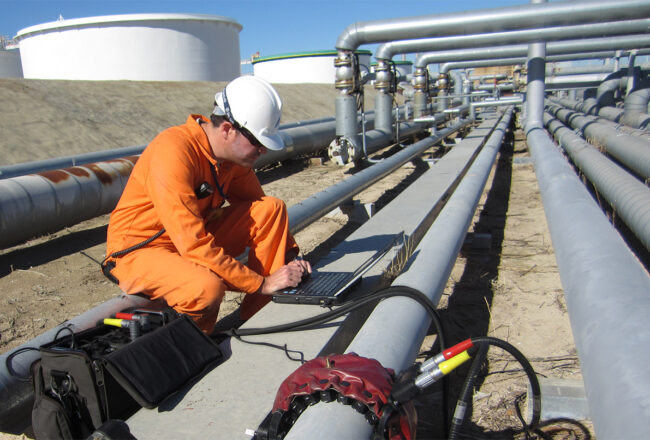
In 2026, API inspection companies are leveraging advanced technologies to improve inspection quality. Robotic crawlers equipped with ultrasonic sensors are used to scan tank floors and walls, collecting high-density thickness data. These tools provide consistent and repeatable measurements across large surface areas.
Pipeline Inspection Tools (ILI Systems)
For pipelines, inline inspection tools—commonly known as pigs—are deployed to travel through the pipeline and collect data on wall thickness, corrosion, and internal defects. These tools enable comprehensive inspection without requiring full system disassembly.
Digital Data Acquisition
Modern inspection systems generate large volumes of data, including corrosion mapping and structural analysis. This allows inspectors to move beyond isolated readings and develop a complete picture of asset condition.
Integrity Assessment: Identifying and Evaluating Defects
Tank Inspection Focus Areas
Internal tank inspections concentrate on identifying:
- Corrosion and pitting on bottom plates
- Weld defects and structural discontinuities
- Coating and lining degradation
- Sediment accumulation and its impact on corrosion
Pipeline Inspection Focus Areas
Pipeline inspections evaluate:
- Wall thinning due to corrosion
- Mechanical damage or deformation
- Internal blockages or deposits
- Crack-like defects
The objective is not only to detect these issues but also to assess their severity and determine appropriate corrective actions.
Environmental Considerations: Expanding the Scope of Inspection
Integration of Environmental Inspection Services
Environmental Inspection Services are now an integral part of internal inspections. Inspectors evaluate the potential for leaks, emissions, and contamination that could impact surrounding soil or water systems.
Water Tank Inspection Requirements
In water tank inspection services, maintaining water quality is a primary concern. Inspectors assess internal cleanliness, coating integrity, and potential contamination sources to ensure compliance with health and safety standards.
Standards and Compliance: Ensuring Regulatory Alignment
Application of Industry Standards
Inspection activities are guided by established standards such as API 653, which define inspection intervals, acceptance criteria, and repair requirements. These standards provide a consistent framework for evaluating tank integrity and ensuring compliance.
Role of Certified Inspection Providers
Qualified tank inspection companies must demonstrate expertise in applying these standards. Their ability to interpret inspection data and recommend compliant solutions is essential for maintaining regulatory alignment.
Reporting and Data Interpretation: From Information to Insight
Digital Reporting Platforms
Inspection reporting has evolved into a data-driven process. Modern reports include:
- Corrosion heat maps
- Thickness trend analysis
- High-resolution imagery
- Risk-based repair recommendations
These digital formats allow stakeholders to quickly understand asset condition and prioritize actions.
Decision Support and Planning
The availability of detailed inspection data supports informed decision-making. Facility operators can plan maintenance activities, allocate resources effectively, and optimize inspection intervals based on actual asset condition.
Post-Inspection Actions: Turning Findings into Results
Repair and Maintenance Planning
Inspection findings must be translated into actionable steps. This includes scheduling repairs, addressing coating failures, and mitigating identified risks.
Continuous Monitoring and Improvement
Post-inspection activities also involve updating inspection schedules and integrating findings into long-term asset management strategies. This ensures that inspections contribute to continuous improvement rather than remaining isolated events.
Cost Considerations: Inspection as Risk Management
Planned vs. Unplanned Costs
While internal inspections require investment, they represent a controlled and predictable cost. In contrast, failures resulting from undetected defects can lead to significant financial, environmental, and operational consequences.
Long-Term Value
By identifying issues early, inspection services help extend asset life, reduce downtime, and prevent costly incidents. As a result, inspections are increasingly viewed as essential components of risk management.
Conclusion: A Critical Component of Modern Asset Integrity
Internal tank and pipeline inspection services in 2026 are defined by advanced technology, structured methodologies, and a strong focus on environmental and regulatory compliance. Organizations working with experienced API inspection companies benefit from improved accuracy, enhanced safety, and more effective asset management.
As infrastructure continues to age and regulatory expectations increase, the importance of comprehensive inspection services will only grow. Facilities that adopt a proactive, data-driven approach to inspections are better positioned to maintain reliability, ensure compliance, and manage risk effectively.
FAQs
What are internal tank and pipeline inspection services?
They involve assessing the internal condition of tanks and pipelines to identify corrosion, structural defects, and other integrity risks.
Are shutdowns required for all internal inspections?
Most tank inspections require shutdowns, while some pipeline inspections can be performed using inline tools without complete system interruption.
What technologies are commonly used?
Robotic crawlers, ultrasonic mapping systems, and inline inspection tools are widely used to collect accurate and detailed data.
How do environmental inspection services contribute?
They evaluate risks related to leaks, contamination, and emissions, ensuring compliance with environmental regulations.
Why is it important to hire experienced inspection companies?
Experienced tank inspection companies ensure accurate assessments, compliance with standards, and effective translation of inspection data into actionable maintenance strategies.