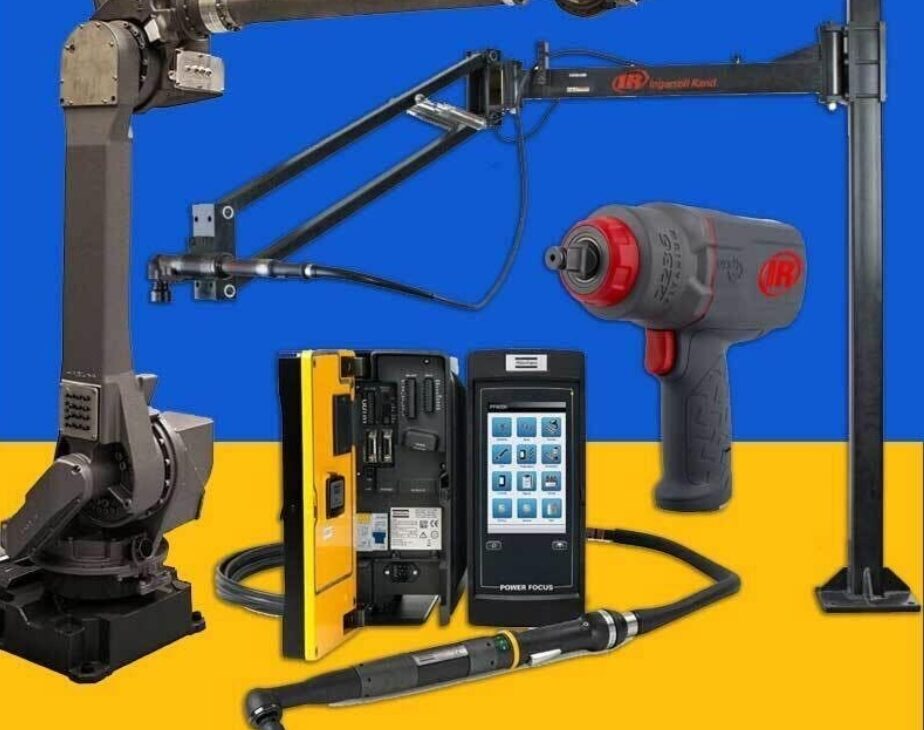
Robotic cells execute routine cycle duties with extreme speed. Yet, numerical speed means zero if the final joint lacks proper tension. Engineers often trust pre-programmed parameters blindly. This blind trust creates severe structural liabilities. An industrial robot repeats a programmed motion endlessly. If the initial force calibration holds a fractional error, the machine replicates that specific mistake thousands of times. You must construct a rigid validation framework. Proper verification ensures absolute structural integrity across all automated cycles.
The Physics of Applied Force
Define rotational mechanical energy mathematically first. The baseline physical relationship dictates all basic automated motions. The accepted scientific formula remains absolute.
T=F×d
In this equation, T represents the total rotational force. The variable F denotes the true physical force applied. The character d indicates the radial distance from the precise center of rotation. Automated servos apply this exact physical principle. However, internal friction corrupts the theoretical output constantly. You must measure the true physical force delivered to the joint, not just the desired theoretical target. Engineers calculate the ultimate yield strength of the specific fastener metal prior to deployment. Exceed the maximum mathematical limit, and the metal thread shears completely. Fall below the minimum requirement, and the structure vibrates apart. Absolute mathematical precision remains non-negotiable.
Instrument Selection for Precision Control
Hardware selection dictates eventual project success. Pneumatic devices fluctuate due to compressed air supply variations. For absolute automated control, rely on robust digital servos.
Integrate premium Electric Torque Screwdrivers to achieve pure consistency. These advanced units utilize internal electronic microprocessors. The digital controller halts the internal motor exact milliseconds after it reaches the numerical target limit. The total absence of air pressure drops guarantees a uniform cycle every single time. An operator sets the exact numerical limit on the digital controller console. The robotic arm then maneuvers the tool perfectly across the geometric workspace. Modern facilities utilize advanced ethernet protocols to network these digital tools securely. The main programmable logic controller coordinates the robotic arm path with the active tool sensor output. Fast data network speeds ensure zero delay between the electrical motor shutoff command and the actual physical cessation of mechanical movement.
Mathematical Decay of Internal Components
Every physical component degrades under continuous industrial use. Hardened steel gears suffer microscopic surface fractures. Dense synthetic lubricants dry out completely. This physical decay directly alters the applied output force. A sensor might report a successful execution, but the actual fastener remains loose. You cannot rely strictly on the internal tool sensor data over a multi-month span. External physical verification remains absolutely mandatory to preserve consumer product quality.
External Validation and Metrology
Metrology departments rely on specialized external measurement hardware. You must remove the production tool from the active robotic cell routinely. Route it to a dedicated clean room bench for immediate structural evaluation.
Here, trained technicians utilize certified Torque Testers to evaluate exact tool health. The operator activates the drive motor against a static steel laboratory transducer. The digital transducer display reveals the true peak force exerted. If this physical number deviates from the programmed digital target, the internal tool setup requires immediate mechanical recalibration. Do not return a defective digital unit back to the active production floor.
Routine Verification Protocols
Establish a strict timetable for equipment evaluation. Random audits fail to catch systemic mechanical drift. Use a tiered schedule based on pure cycle volume.
| Production Volume | Scheduled Interval | Allowable Drift |
| High Output | Shift Start | +/- 2% |
| Medium Output | Daily | +/- 3% |
| Low Output | Weekly | +/- 5% |
This structured matrix provides a basic baseline standard. Strict sectors, such as aerospace hardware, usually require much tighter physical constraints. Adhere to these exact schedules strictly to prevent mass component failures. Record every single audit result in the master digital ledger safely.
Sensor Resolution and Dynamic Audits
A standard digital display screen only serves a purpose if the base internal sensor detects microscopic dimensional changes. Standard metal strain gauges measure basic structural deformation accurately. However, high-fidelity piezoelectric sensors convert miniature mechanical stress into an exact electrical charge. This specific material conversion provides immense data resolution. You capture sudden force spikes that normal strain gauges miss entirely.
You must evaluate the dynamic behavior of the secure joint itself. Soft materials compress over a brief time duration. A successful initial tool rotation does not guarantee permanent hardware tightness. The compressible material relaxes, and the heavy bolt loses designated tension. Engineers term this physical event joint relaxation. You must program a secondary, delayed rotational sequence to counter this specific material flaw. The electronic tool engages the fastener a second time to restore maximum load accurately.
- Measure the initial peak force delivery.
- Pause the robotic arm for two exact seconds.
- Re-engage the motor to overcome material relaxation.
- Record both precise numerical values.
Data Integrity and System Architecture
Automated mechanical systems generate massive numerical data clusters. Capture every individual cycle metric digitally. Store these precise numerical profiles on a secure central server. Proper electronic traceability protects the entire corporate organization from severe legal liability. If a field failure occurs, a quality manager can retrieve the exact numerical tool profile for that specific serial number. Absolute data preservation proves your procedural compliance with exact mechanical specifications to any external auditor.
Why Choose Flexible Assembly Systems?
Your industrial automation project requires a veteran supply partner constantly. We evaluate your unique robotic cell architecture meticulously. Our specialists identify internal mechanical weak points quickly. We propose direct hardware upgrades to bypass those precise failures securely.
Our central warehouse stocks premium industrial equipment. We offer advanced electronic tools alongside static measurement instruments. Our certified internal laboratory recalibrates your crucial devices to exact mathematical standards. The returned equipment includes a certified compliance document. Scheduled deliveries dispatch rapidly to prevent expensive assembly line halts. Rely on our massive tool inventory and deep technical experience. We want your automated facility to operate at absolute maximal efficiency.