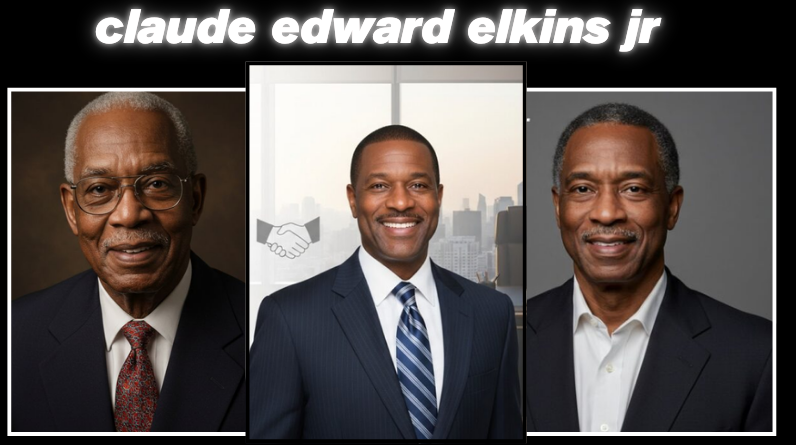
Claude Edward Elkins Jr, known professionally as Ed Elkins, currently serves as the Executive Vice President and Chief Commercial Officer at Norfolk Southern Corporation, one of the nation’s premier freight railroads. Based in Atlanta, Georgia, Elkins holds a pivotal leadership position in an industry that moves the backbone of American commerce—transporting everything from automotive parts to agricultural products across 22 states.
His appointment to this executive role in March 2025 placed him at the helm of Norfolk Southern’s commercial strategy during a transformative period for the railroad industry. With a Harvard education and decades of experience, Elkins represents a new generation of railroad executives navigating the intersection of traditional rail logistics and modern supply chain innovation.
The Railroad Executive Behind the Name
What makes Claude Edward Elkins Jr’s story particularly noteworthy is the path that led him to one of the most influential commercial roles in American freight transportation. Unlike many executives who follow linear career trajectories, Elkins brings a multifaceted perspective to railroad commerce—an industry that demands both operational expertise and strategic business acumen.
Understanding His Current Role
As Chief Commercial Officer at Norfolk Southern, Elkins oversees the commercial operations of a Class I railroad that operates approximately 19,300 route miles in 22 eastern states. His responsibilities extend far beyond traditional sales—he shapes pricing strategies, customer relationships, service design, and the overall commercial vision that determines how one of America’s largest railroads competes in the modern freight economy.
This role requires balancing multiple stakeholder interests: shippers demanding reliable service, shareholders expecting profitable growth, and operational teams managing physical infrastructure. The Chief Commercial Officer must understand commodity markets, intermodal logistics, regulatory frameworks, and emerging technologies like precision scheduled railroading.
The Harvard Connection
Elkins’ educational background at Harvard provided more than credentials—it offered exposure to business strategy frameworks and leadership principles that translate directly to railroad commerce. Harvard Business School’s case method, known for developing strategic thinking through real-world scenarios, proves particularly valuable in an industry where a single commercial decision can impact millions in revenue and affect supply chains nationwide.
Many railroad executives come from engineering or operations backgrounds. Elkins’ combination of formal business education and practical industry experience positions him to bridge the gap between operational excellence and commercial innovation.
Why Railroad Leadership Matters More Than You Think
The railroad industry operates largely out of public view, yet it underpins nearly every aspect of American economic life. Executives like Claude Edward Elkins Jr make decisions that ripple through supply chains, affecting everything from the price consumers pay for goods to the carbon footprint of freight transportation.
The Commercial Officer’s Impact on Modern Logistics
Norfolk Southern moves over 200 million tons of freight annually. The commercial strategy Elkins develops directly influences which goods move by rail versus truck, how efficiently supply chains operate, and whether American manufacturers can compete globally. When a Chief Commercial Officer negotiates pricing with automotive manufacturers or designs intermodal solutions for retail giants, those decisions shape economic competitiveness.
Consider the practical implications: A commercial strategy that improves rail service reliability by even 5% can save customer companies millions in inventory costs. Pricing decisions affect whether agricultural exports reach global markets competitively. Route optimization impacts whether manufacturing plants remain viable in specific regions.
Navigating Industry Transformation
Elkins assumed his role during a period of significant industry evolution. Railroads face pressure to improve service consistency, adopt new technologies, reduce environmental impact, and compete with trucking companies that offer greater flexibility. The Chief Commercial Officer must balance short-term financial performance with long-term strategic positioning.
Recent industry trends that fall under commercial leadership include precision scheduled railroading implementation, customer experience digital transformation, sustainability-focused service offerings, and adapting to e-commerce driven intermodal growth. These aren’t abstract concepts—they represent concrete business decisions that Elkins and his team make daily.
The Virginia Connection and Industry Influence
Public records show Claude Edward Elkins Jr has made political contributions in Virginia, indicating ties to the state that hosts significant Norfolk Southern operations. Virginia Beach serves as a crucial Norfolk Southern terminal, handling container traffic from the Port of Virginia—one of the East Coast’s busiest ports.
This geographic connection isn’t merely personal. The commercial success of railroads depends heavily on relationships with port authorities, state transportation departments, and regional economic development organizations. Executives who understand local business climates and maintain relationships with regional stakeholders can better serve customers and advocate for infrastructure investments that benefit both the railroad and regional economies.
What Sets Modern Railroad Executives Apart
The railroad industry has evolved dramatically from its historical image. Today’s railroad executives need skills that span multiple disciplines:
Technology Integration: Modern railroads use GPS tracking, predictive analytics, automated scheduling systems, and customer-facing digital platforms. Commercial officers must understand how technology creates customer value.
Sustainability Leadership: With railroads offering significantly lower carbon emissions per ton-mile than trucking, commercial teams increasingly position rail as the environmentally responsible choice. This requires authentic sustainability knowledge, not just marketing.
Supply Chain Expertise: Chief Commercial Officers now function as supply chain consultants, helping customers optimize entire logistics networks rather than simply selling rail capacity.
Regulatory Navigation: Railroad commerce operates within complex regulatory frameworks governing pricing, service obligations, safety standards, and competition. Executives must work effectively within these constraints while advocating for policy improvements.
The Broader Context of Railroad Leadership
Understanding Claude Edward Elkins Jr’s role requires appreciating the railroad industry’s unique position in American infrastructure. Unlike purely private enterprises, Class I railroads operate under public interest obligations. They maintain infrastructure critical to national commerce and defense. They employ tens of thousands of workers in communities across multiple states. Their environmental performance affects national climate goals.
This context means that commercial officers at major railroads don’t simply maximize revenue—they balance profitability with service reliability, safety, workforce stability, environmental responsibility, and community relationships. It’s a role that demands business acumen and broader leadership perspective.
Looking at Industry Career Trajectories
For those interested in railroad executive careers, Elkins’ path offers insights. The combination of formal business education, industry-specific experience, and progression through commercial roles represents a proven trajectory. Railroad companies increasingly seek executives who can translate operational capabilities into compelling customer value propositions.
The career path typically involves roles in marketing, sales, pricing, service design, or strategic planning before reaching executive commercial leadership. Understanding both railroad operations and customer needs proves essential. Many successful railroad commercial executives have worked closely with major shippers, gaining firsthand knowledge of customer challenges.
Frequently Asked Questions
What does a Chief Commercial Officer do at a railroad?
The Chief Commercial Officer leads all revenue-generating activities, including pricing strategy, customer relationships, service design, market analysis, and commercial policy. They ensure the railroad meets customer needs profitably while supporting long-term strategic objectives. This role sits at the intersection of operations, finance, and customer service.
How did Ed Elkins reach this executive level?
While specific career details aren’t fully public, reaching EVP and Chief Commercial Officer at a major Class I railroad typically requires 20-30 years of progressive experience in railroad commerce, demonstrated leadership success, strategic thinking capabilities, and strong industry relationships. His Harvard education provided foundational business knowledge that complemented industry experience.
What challenges do railroad commercial leaders face today?
Current challenges include improving service consistency after precision scheduled railroading implementation, competing with flexible trucking alternatives, meeting customer demands for real-time visibility, addressing workforce constraints, navigating regulatory requirements, and positioning rail as the sustainable transportation choice while maintaining profitability.
Why does Norfolk Southern’s commercial leadership matter?
Norfolk Southern serves as a critical link in Eastern U.S. supply chains. Its commercial decisions affect thousands of businesses, millions of consumers, and regional economic development. The railroad moves coal, intermodal containers, automotive products, chemicals, agriculture, and more—making its commercial strategy economically significant beyond the company itself.
How can someone learn more about railroad industry careers?
Norfolk Southern and other Class I railroads maintain career websites detailing various roles and career paths. Industry associations like the Association of American Railroads provide educational resources. For commercial roles specifically, understanding supply chain management, transportation economics, and customer relationship management provides valuable foundations.
Key Takeaways
Claude Edward Elkins Jr represents modern railroad leadership—combining formal business education with industry expertise to guide commercial strategy at a major freight railroad. His role as Norfolk Southern’s Chief Commercial Officer places him at the center of decisions affecting American supply chains, business competitiveness, and transportation sustainability.
Understanding railroad executives like Elkins matters because these leaders shape infrastructure that underpins economic activity. Their decisions about service design, pricing, customer relationships, and strategic direction ripple through industries far beyond railroading itself.
For anyone interested in transportation, logistics, or infrastructure leadership, studying the careers of executives in this space reveals the complexity and impact of roles that operate largely behind the scenes yet influence daily economic life profoundly.