- Veneajelu is a Finnish leisure boating practice centered on calm, slow movement on water.
- Its primary value lies in mental restoration, light physical activity, and nature immersion.
- Unlike adventure boating, veneajelu prioritizes mindfulness, safety, and social connection.
- Scientific research on “blue spaces” helps explain its health and wellness benefits.
- Veneajelu remains accessible, sustainable, and culturally embedded rather than trend-driven.
What is Veneajelu?
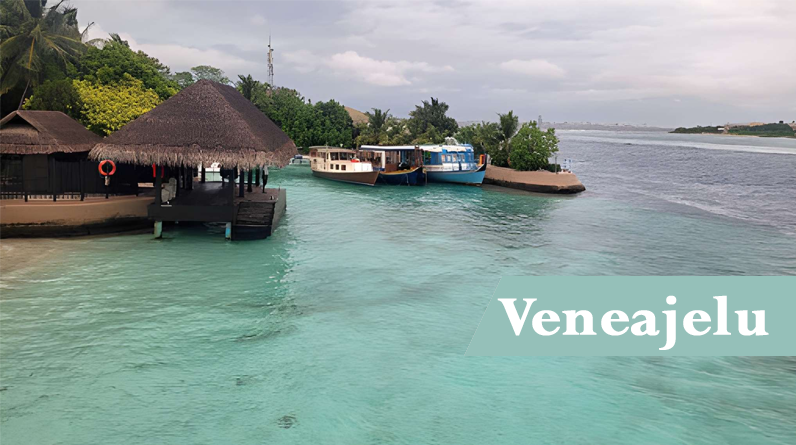
Veneajelu is a Finnish term that refers to relaxed, recreational boating undertaken for enjoyment rather than transport, sport, or speed. In practice, it involves moving slowly across lakes, rivers, or coastal waters in small boats, motorboats, or rowboats, with the primary intention of relaxation, reflection, or social time.
While the literal translation points to “boat riding” or “boat driving,” veneajelu represents a broader lifestyle habit. It is closely associated with slow living, seasonal outdoor activity, and spending intentional time in natural environments. The activity is non-competitive, low-pressure, and adaptable, making it suitable for individuals, families, and older adults alike.
Why Veneajelu Is Practiced Slowly and Intentionally
A defining feature of veneajelu is its deliberately unhurried pace. Speed is not avoided for safety reasons alone; it is avoided because slowness is central to the experience. Calm movement allows participants to observe landscapes, wildlife, and water patterns without distraction.
This slow pace aligns with principles of mindfulness and stress regulation. Research from environmental psychology consistently shows that slower movement in natural settings improves attention restoration and emotional regulation compared to fast-paced recreation.
The Science Behind Veneajelu’s Mental Health Benefits
One of the strongest under-discussed aspects of veneajelu is its alignment with evidence-based mental health principles. Exposure to water environments, often referred to as “blue spaces,” has been studied by organizations such as the World Health Organization and national public health institutes.
Key findings from peer-reviewed research indicate that regular time spent near or on water is associated with:
- Lower cortisol (stress hormone) levels
- Reduced symptoms of anxiety and mental fatigue
- Improved mood and emotional stability
- Enhanced attention and cognitive recovery
Veneajelu combines blue-space exposure with gentle motion and reduced noise, creating ideal conditions for parasympathetic nervous system activation, which supports rest, recovery, and mental clarity.
Physical Health Effects Without High Impact
Although veneajelu is not an intense workout, it provides meaningful physical engagement. Steering, balancing, docking, and occasional rowing activate core muscles, shoulders, and stabilizing muscles. These movements improve coordination and posture without placing stress on joints.
According to Nordic outdoor activity guidelines, low-impact movement performed consistently offers long-term benefits for mobility, circulation, and functional strength, especially for older adults. Veneajelu fits squarely within these recommendations.
Additionally, time outdoors supports vitamin D synthesis, which contributes to bone health and immune function, particularly in northern climates where sunlight exposure can be limited.
Social Connection and Emotional Well-Being
Veneajelu is often shared with family members or close friends, and this social aspect is not incidental. Extended, uninterrupted time together on a boat encourages conversation, shared observation, and emotional presence without digital distractions.
Public health research consistently identifies social connection as a major determinant of long-term well-being. Activities like veneajelu create environments where bonding occurs naturally, without structured effort or performance pressure.
Importantly, veneajelu also works as a solo practice. Many individuals use it for quiet reflection, journaling, or simply being present, which supports emotional self-regulation and mental resilience.
Environmental Connection and Psychological Restoration
Humans are neurologically responsive to natural stimuli such as water movement, birdsong, and open horizons. Veneajelu places individuals directly within these environments rather than as passive observers.
Studies on attention restoration theory show that natural settings with soft fascination, such as lakes and coastlines, help restore depleted cognitive resources. Veneajelu offers this benefit without requiring physical exertion or specialized skills.
Safety, Responsibility, and Real-World Considerations
Despite its calm nature, veneajelu requires responsible practice. Finnish boating authorities emphasize several core safety principles:
- Wearing life jackets at all times
- Monitoring weather and water conditions
- Avoiding alcohol consumption while operating boats
- Respecting wildlife and protected shorelines
A common misconception is that slow boating carries minimal risk. In reality, cold water exposure, sudden weather changes, and fatigue remain relevant factors. Proper preparation ensures veneajelu remains safe and restorative rather than risky.
Sustainability and Low-Impact Recreation
Veneajelu is increasingly valued for its low environmental footprint. Slow speeds reduce fuel consumption and shoreline erosion, while quiet movement minimizes disturbance to wildlife. Electric motors and rowing further enhance sustainability.
Environmental agencies in Nordic countries promote low-impact water recreation as a way to balance public access with ecosystem protection. Veneajelu naturally aligns with these goals, making it a future-proof outdoor activity.
Who Benefits Most From Veneajelu?
Veneajelu is particularly well suited for:
- People experiencing chronic stress or burnout
- Office workers seeking mental recovery
- Older adults needing joint-friendly movement
- Families looking for meaningful outdoor time
- Individuals pursuing holistic, sustainable wellness
Because it adapts easily to different abilities and schedules, veneajelu remains inclusive rather than exclusive.
Common Misconceptions About Veneajelu
- It is not a tourism trend: Veneajelu predates modern travel culture and remains part of everyday Finnish life.
- It is not about luxury: The experience does not require expensive boats or services.
- It is not passive: While calm, veneajelu actively engages body and mind.
Practical Takeaways
- Veneajelu works best when practiced slowly and without rigid goals.
- Consistency matters more than duration for mental health benefits.
- Safety preparation is essential even for calm conditions.
- Minimalism enhances the experience more than equipment upgrades.
Frequently Asked Questions
Is veneajelu suitable for beginners?
Yes. With basic safety knowledge and calm conditions, veneajelu is accessible to beginners of all ages.
How often should veneajelu be practiced for benefits?
Once or twice per week is sufficient to experience stress reduction and mental clarity.
Does veneajelu require physical fitness?
No. It involves gentle movement and can be adjusted to different physical abilities.
Can veneajelu be part of a healthy lifestyle?
Yes. It supports mental health, light physical activity, social connection, and nature exposure, all key elements of holistic wellness.